A Beginner’s Guide to the CFTC’s New Rules on Tokenized Assets
Unlocking Digital Dollars: A Beginner’s Guide to the CFTC’s New Rules on Tokenized Assets
1. A Landmark Shift in Finance: The Digital Assets Pilot Program
On December 8, 2025, the U.S. Commodity Futures Trading Commission (CFTC) launched its “Digital Assets Pilot Program,” marking a pivotal moment for digital finance. The single most important outcome of this program is that it creates the first official pathway for certain digital assets—specifically Bitcoin (BTC), Ether (ETH), qualified payment stablecoins, and tokenized real-world assets—to be used as mainstream collateral in U.S. derivatives markets. This action stands to unlock billions of dollars in digital collateral and represents a significant step in legitimizing these assets within the traditional financial system.
This new financial ecosystem is governed by a few key organizations working together under this new guidance.
2. The Key Players: Understanding the Regulatory Landscape
- CFTC (U.S. Commodity Futures Trading Commission): They are the primary U.S. government regulator for derivatives markets (like futures and swaps) and are the authority that issued this new guidance.
- FCMs (Futures Commission Merchants): These are the firms that customers interact with to trade futures, and they are the ones who will now be permitted to accept digital assets as collateral from their clients.
- DCOs (Derivatives Clearing Organizations): These are the clearinghouses that act as a central hub to ensure trades are settled between parties, and they are also involved in setting standards for acceptable collateral.
Now that we know who is involved, let’s look at what types of assets are being discussed.
3. A Digital Asset Glossary: Defining the New Forms of Collateral
In finance, collateral is an asset that a borrower or trader posts to a lender or firm to secure a trade or loan. The CFTC’s new program expands the types of assets that can be used as collateral to include several new digital forms.
| Asset Type | Simple Definition | Why It’s Important |
| Cryptocurrencies (e.g., Bitcoin, Ether) | Non-security digital assets, such as major cryptocurrencies. | Under the pilot program, these are the first cryptocurrencies that can be accepted as margin collateral by FCMs. |
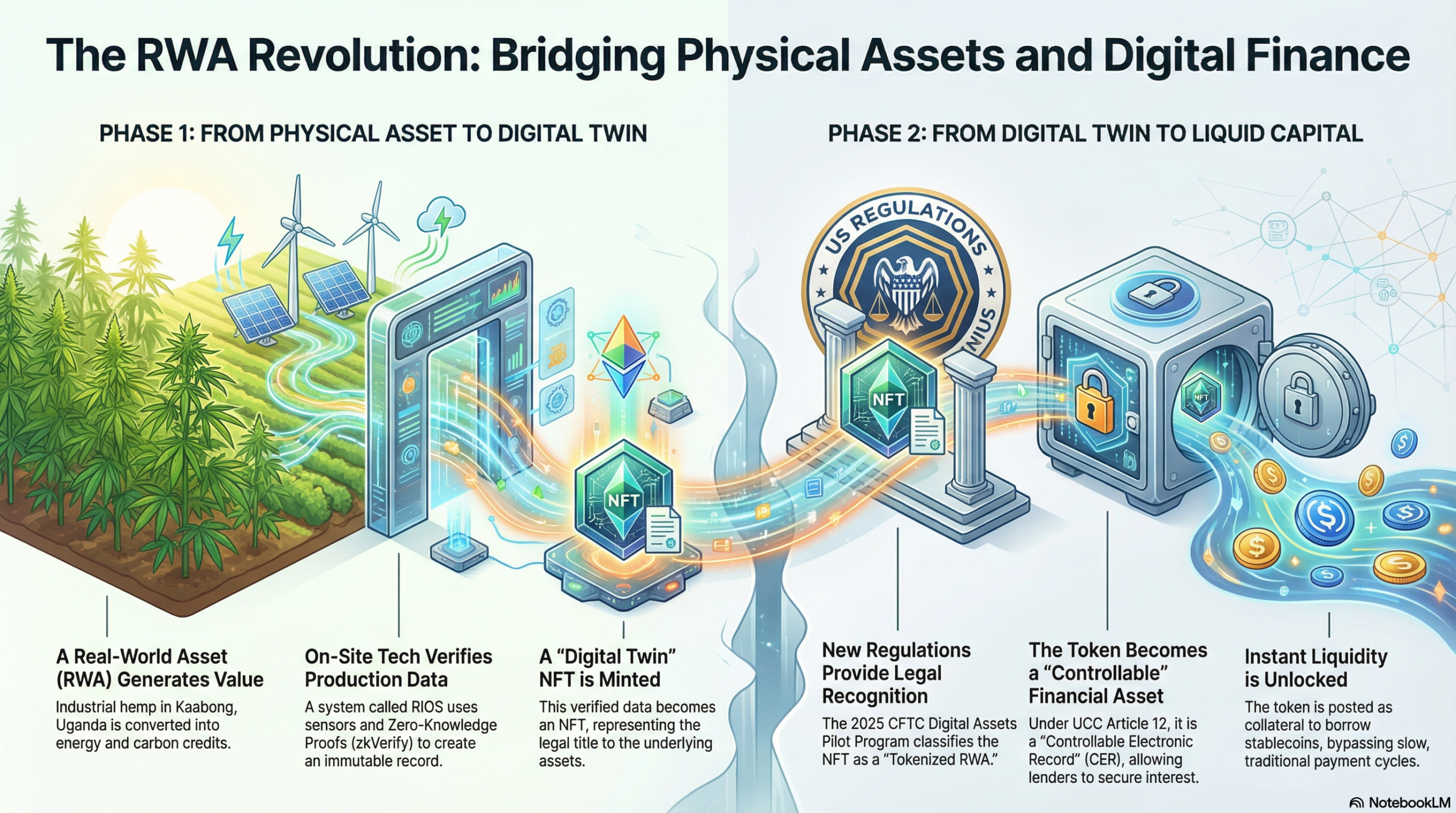
| Tokenized RWAs (Real-World Assets) | Digital tokens on a blockchain that represent ownership of a traditional asset like a U.S. treasury security or corporate bond. | The critical rule from the guidance is that tokenizing an asset does not change its fundamental risk or value. |
| Payment Stablecoins (e.g., USDC) | Digital assets designed to maintain a stable value relative to a currency like the U.S. dollar, regulated under the GENIUS Act. | Their stability makes them useful for both collateral and for FCMs to deposit into customer accounts. |
The most important principle in this new framework, especially for Tokenized RWAs, is one that regulators have emphasized above all else.
4. The Golden Rule: Tokenization Does Not Change an Asset’s Nature
The CFTC’s December 8 Guidance established one critical principle that governs this entire new landscape.
“[T]he use of digital ledger technology to tokenize an asset need not change the fundamental characteristics of that asset.”
So, what does this mean for a student learning about this topic? It means that while the technology is new, the financial rules are not. Tokenization can make transferring ownership of an asset (like a bond) faster and easier, but it cannot improve the credit quality, liquidity, or stability of that underlying bond. It’s the same asset, just in a different wrapper.
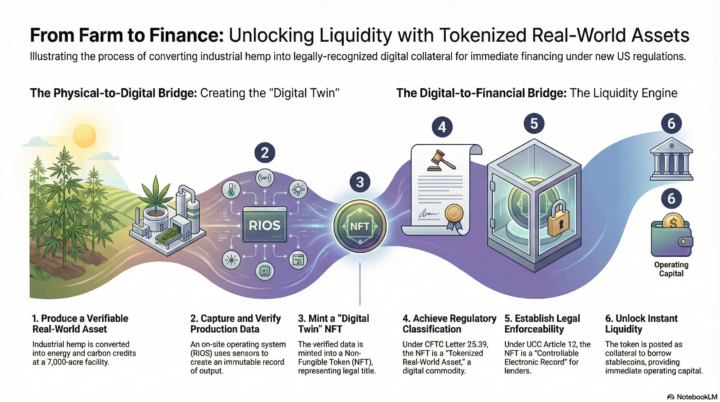
This means firms must apply the same (or even more conservative) risk analysis to a tokenized asset as they would to its non-tokenized counterpart.
Understanding this core principle helps us appreciate the practical benefits this new program enables.
5. Why This Change Matters: The Top 3 Benefits for Modern Markets
Allowing digital assets to be used as collateral introduces several powerful advantages for financial markets.
- Instantaneous (“Atomic”) Settlement Unlike traditional collateral like a wire transfer or check that can take days to clear, digital assets can be posted instantly. This is a game-changer because it allows traders to open accounts and start trading immediately, without waiting for the old financial system to catch up.
- True 24/7/365 Market Access Modern derivatives markets often operate around the clock, but traditional banking systems do not. Digital assets solve this problem. A trader can post digital collateral on a Saturday night or a holiday to meet a margin call, something that is impossible with traditional assets tied to banking hours.
- Unlocking Trapped Capital Many individuals and firms hold significant value in digital assets like Bitcoin or Ether. This guidance allows them to use those existing holdings to back their trades without having to first sell them for U.S. dollars. This reduces friction, lowers costs, and makes the entire market more capital-efficient.
While these benefits are significant, regulators have put strict rules in place to manage the new risks.
6. The New Rules of the Road: Key Conditions for Using Digital Collateral
To qualify for this new pilot program, financial firms (FCMs) can’t just start accepting any digital asset. They must follow a specific and narrow set of rules designed to protect customers and the financial system.
- Eligible Assets: Initially, firms can only accept Bitcoin (BTC), Ether (ETH), and qualified existing payment stablecoins.
- Risk Management (“Haircuts”): Firms must apply conservative “haircuts,” which are reductions in an asset’s value for risk purposes. For example, $100 worth of a volatile asset might only be counted as $80 of collateral. These haircuts are based on the DCO’s mandate or the firm’s own internal risk models. Crucially, the CFTC guidance notes that tokenization can introduce new technological risks (like smart contract vulnerabilities or cybersecurity threats). This means firms may need to apply even deeper haircuts to a tokenized asset than they would to its traditional, non-tokenized counterpart to account for these added risks.
- Notice and Reporting: Firms must file a notice of intent with the CFTC before starting and submit weekly reports on the digital assets they hold as collateral.
- Security and Legal Assurance: Firms must report any cybersecurity incidents within 24 hours and obtain written legal opinions confirming that they have a clear and enforceable legal claim to the digital collateral. This is a significant hurdle, as the legal frameworks for proving ownership and control over digital assets are still developing and have not been fully tested in courts.
The CFTC’s Digital Assets Pilot Program is a foundational step toward integrating digital assets into the regulated U.S. financial system. By starting with a narrow and carefully controlled pilot, the program aims to capture the benefits of increased market efficiency while diligently managing new technological risks. This pilot program is not the final word, but rather the beginning of a longer process where regulators and market participants will learn to balance the innovative potential of digital finance with the established need for market safety and stability.